Once your business is established — 5+ years in, stable revenue, and a proven model — taxes are no longer about survival. They’re about direction.
This is the stage where women business owners start asking bigger questions:
- Should we expand or pivot?
- How do I grow my team sustainably?
- How do I take less risk — not more — as I scale?
- How do taxes fit into long-term wealth and exit planning?
And this is where tax strategy becomes a leadership tool.
What Defines an Established Business (Tax-Wise)
From a tax perspective, established businesses typically have:
- Predictable revenue
- A core team
- Mature systems
- Clear service or product offerings
- Owners thinking beyond “this year’s taxes”
This stage isn’t about squeezing deductions. It’s about alignment.
How Tax Strategy Evolves at the Established Business Stage
Established businesses use tax planning to:
- Support hiring and retention
- Fund expansion or new offerings
- Manage owner compensation intentionally
- Reduce risk and volatility
- Plan for long-term wealth
At this point, tax planning touches:
- Compensation strategy
- Benefits design
- Profit allocation
- Cash reserves
- Exit readiness
Expansion, Pivots, and Tax Implications
Any of the following can materially affect your tax picture:
- Adding a new service line
- Expanding into a new state
- Acquiring another business
- Changing pricing models
- Restructuring leadership roles
Established businesses that plan taxes alongside these decisions stay flexible. Leaders who don’t often feel boxed in later.
Advanced Planning (Without Getting Aggressive)
This stage may include:
- Refining owner compensation
- Enhancing retirement strategies
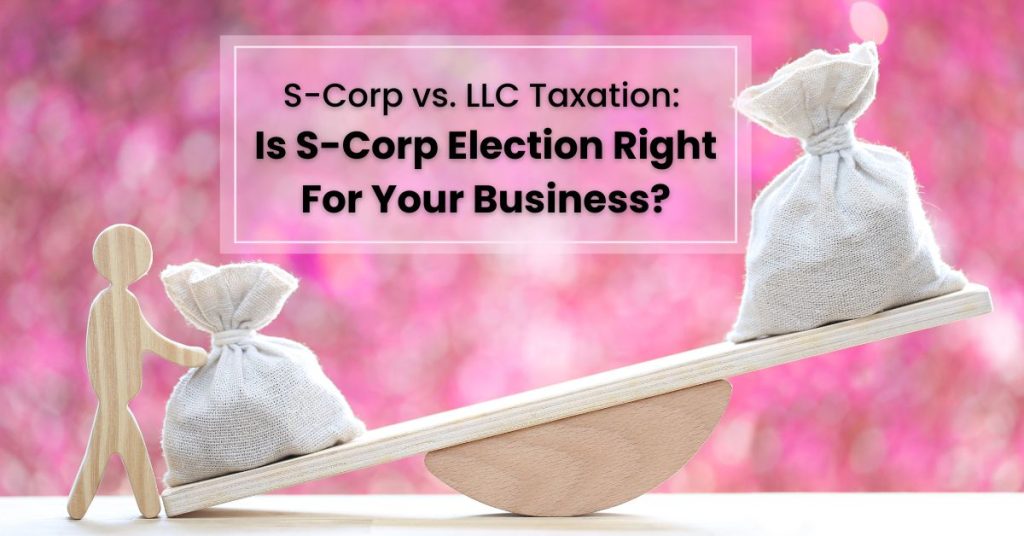
- Reviewing entity structure (does an s-corp election make sense at this stage?)
- Evaluating long-term capital strategies
- Coordinating business and personal tax planning
The goal is not complexity for its own sake. The goal is resilience.
What Established Businesses Get Wrong
The most common mistake at this stage? Assuming: “We’ve been doing this a long time — we’re probably fine.”
Established businesses often:
❌ Stay in outdated structures
❌ Overpay themselves inefficiently
❌ Miss planning opportunities
❌ React instead of plan
Longevity doesn’t automatically equal optimization.
Established-Stage Tax Priorities Checklist
If your business is at least 5+ years old and has had years of consistent revenue, focus on:
✅ Annual tax planning (not just filing)
✅ Aligning tax strategy with business goals
✅ Reviewing structure every few years
✅ Coordinating business + personal planning
✅ Building tax strategy into leadership decisions
At this stage, taxes should support your vision — not constrain it.
Bottom Line for Established Women-Owned Businesses
Do women-owned businesses get tax breaks at this stage? Not exactly. The advantage isn’t a program or a credit. It’s foresight.
Established women-owned businesses that treat tax planning as part of leadership:
Grow more sustainably, take smarter risks, and keep more of what they build. And that’s the real long-term win.
Want to win faster and with more ease?
Bring on Gutsy Money as your money partner. We provide tax-optimized bookkeeping, payroll, A/R, A/P, and business advisory. Schedule a consult today.